
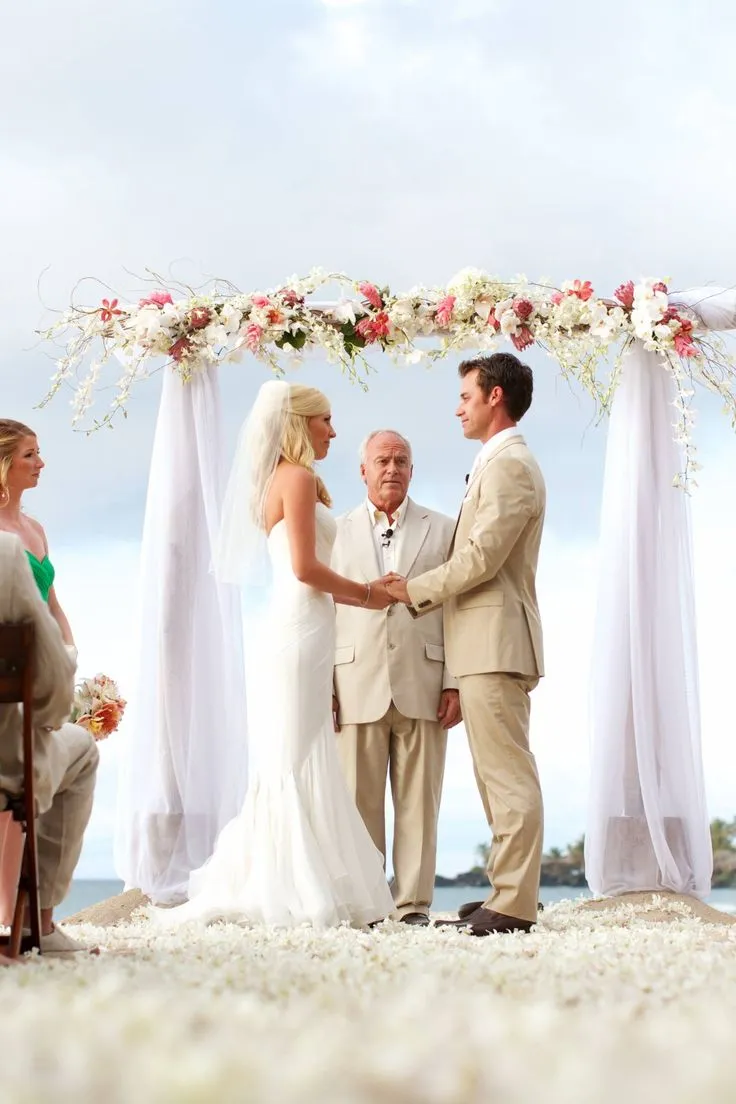
Couples often spend months choosing flowers, ceremony décor, music, and the exact place where they will stand, yet the vows themselves may receive far less practical planning. Those words are one of the few parts of a wedding that cannot be recreated later with the same emotion. Clear sound, thoughtful pacing, positioning, and preparation can make the ceremony more meaningful, easier for guests to follow, and stronger in the photographs and video that preserve it.
Make Sure Every Guest Can Hear
Outdoor ceremonies can look beautiful while creating difficult sound conditions. Wind, nearby roads, running water, and distance can make heartfelt vows hard to hear. Couples planning with a wedding Photographer in Burnsville Nc should consider audio just as carefully as scenery. Ask whether amplification is normally used, where microphones will be placed, and whether equipment can be tested before guests arrive. Clear sound keeps guests connected to the ceremony and helps the spoken part of the day feel as intentional as the visual setting.
Think About Where Everyone Stands
Positioning affects both the guest experience and the visual record. If the couple stands too close to the officiant, important reactions can be hidden. Large floral arrangements, speakers, or decorative structures may also block sightlines. A simple rehearsal can identify these problems in advance. Couples should know where to face during vows, how the ring exchange will work, and whether they need to move for family or cultural traditions. The goal is not rigid choreography, but removing avoidable confusion so the moment can unfold naturally.
Slow Down Important Movements
Ceremonies often feel faster to the couple than they do to everyone watching. Nervousness can cause people to rush the aisle walk, speak quickly, exchange rings in seconds, or turn away immediately after the first kiss. Slowing down slightly gives guests time to absorb each moment and creates clearer opportunities for photography and video. An asheville wedding videographer also benefits when vows, readings, and transitions happen at a natural pace. Brief pauses can improve the rhythm of the finished film without making the ceremony feel staged.
Choose the Right Level of Privacy
Some couples are comfortable reading deeply personal promises in front of everyone, while others would rather keep those words private. Both approaches can work well. Shorter vows can be used during the ceremony, with longer letters exchanged beforehand. Another option is a private vow reading during a quiet moment elsewhere on the wedding day. The important thing is to choose a format that feels authentic. Simple promises that genuinely reflect the relationship often carry more meaning than words written mainly to impress an audience.
Prepare for Weather and Practical Problems
Western North Carolina ceremonies can involve changing conditions, particularly at exposed mountain venues. Paper vows may flap in the wind, microphones can pick up background noise, and sudden rain may require a move under cover. Printing vows on thicker cards, keeping a duplicate copy with a trusted person, and confirming the backup ceremony location can reduce stress. Couples reading from phones should also consider battery life, screen brightness, and whether holding a device fits the atmosphere they want for the ceremony and photographs.
Share Important Surprises in Advance
If the ceremony includes a surprise song, family ritual, memorial gesture, cultural tradition, or unexpected reading, the person documenting the wedding should know beforehand. Advance notice does not reduce the emotion. It helps the photographer or hybrid photo-video professional anticipate where to stand, which reactions may matter most, and when something significant is about to happen. The same applies to unusual exits. A little context allows those moments to be preserved without interrupting or directing them once the ceremony begins.
Keep the Words After the Wedding
Vows can become meaningful keepsakes long after the wedding day. Saving the original cards, creating a clean handwritten copy, or storing them with the wedding album gives couples something tangible to revisit years later. The words may eventually carry as much emotional value as the images created while they were spoken. Preserving readings or blessings can also help future viewers understand not only how the wedding looked, but what was said and why it mattered.
Conclusion
A beautiful ceremony backdrop may define the setting, but the vows often define the emotional center of the wedding. Couples can protect that moment by planning for sound, positioning, pacing, weather, privacy, and meaningful traditions before the ceremony begins. None of these choices turns the event into a performance. They simply remove distractions and make it easier for everyone to stay connected to what is being said. When the practical details are handled in advance, the couple can focus on their promises while photography and video preserve the moment with greater clarity and lasting meaning.