
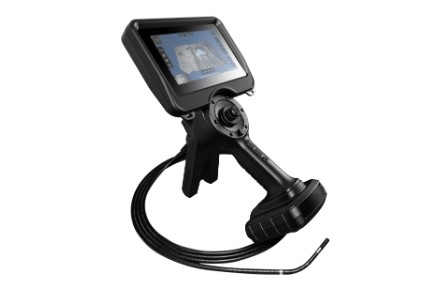
High-bypass aircraft engines are complex systems designed to provide maximum thrust while maintaining fuel efficiency. Their size and structure create unique challenges for maintenance teams, particularly when it comes to visual inspections. Missing signs of wear, corrosion, or other damage can lead to costly repairs, operational delays, or safety risks. Borescope inspections allow technicians to access internal components without disassembly, making them essential tools for maintaining engine reliability and performance.
Understanding High-Bypass Engine Design
High-bypass engines feature large fan sections, multiple compressor stages, and complex turbine assemblies. The bypass design increases airflow and efficiency but also limits direct visual access to internal components. Traditional inspection methods requiring disassembly are time-consuming and can increase the risk of human error during reassembly. Borescopes overcome these challenges by providing visual access through small inspection ports, enabling maintenance teams to monitor component condition without dismantling large sections of the engine.
Preparing for a Borescope Inspection
Effective inspections begin with preparation. Technicians must identify critical inspection points, including turbine blades, combustion chambers, and compressor sections. Understanding engine configuration helps determine which borescope attachments and articulation options will provide the best access. Proper lighting, lens selection, and probe flexibility are also important to achieve high-quality images. Preparing inspection checklists and documenting specific targets ensures a systematic approach that minimizes the risk of overlooked areas.
Accessing Hard-to-Reach Areas
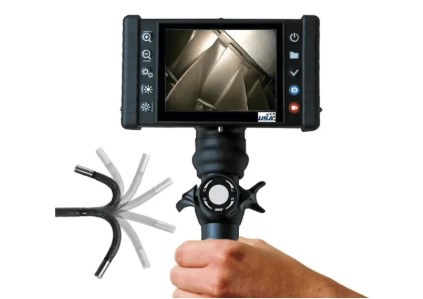
High-bypass engines contain areas that are difficult to access due to their size and structural design. Borescopes with flexible insertion tubes and multi-directional articulation allow technicians to view behind components, around curves, and into narrow spaces. Using a 4-way or 6-way articulation system provides greater control over the probe tip, ensuring that critical surfaces are not missed. Adjusting angles and repositioning the probe during inspection helps capture comprehensive images of components that are otherwise hidden.
Techniques for Efficient Visual Coverage
Efficiency is essential when inspecting large engines. Technicians can follow systematic scanning patterns, such as radial or circumferential sweeps, to ensure all surfaces are evaluated. Starting from one section and moving incrementally to adjacent areas reduces the chance of skipped spots. Capturing images or video at each position provides a record for further analysis. Combining live observation with recorded images allows technicians to identify subtle wear, corrosion, or deposits that might otherwise be overlooked.
Using High-Resolution Imaging for Detail
High-resolution cameras are critical for detecting early signs of damage in high-bypass engines. Cracks, pitting, erosion, and surface discoloration may be subtle but indicate underlying problems that require attention. Borescopes equipped with HD imaging and adjustable lighting provide clear views of internal surfaces, even in confined or dark areas. Image magnification helps technicians measure defects and assess severity, supporting informed maintenance decisions and timely interventions.
Recording and Documenting Findings
Documentation is an integral part of borescope inspections. Capturing still images and video allows maintenance teams to track engine condition over time. Digital records support compliance with aviation regulations and provide evidence for maintenance audits. Annotated images can highlight areas of concern and communicate findings effectively to engineering teams. Maintaining a comprehensive visual record reduces the risk of repeated inspections and ensures that all observed issues are addressed appropriately.
Identifying Common Wear Patterns
High-bypass engines are prone to specific wear patterns, including blade tip erosion, leading-edge damage, and heat-related discoloration in combustion chambers. Recognizing these patterns during inspections allows technicians to plan targeted maintenance. Borescope imaging makes these defects visible without removing engine components, enabling early corrective actions. Consistent application of inspection methods ensures that common wear issues are identified before they escalate into costly repairs or operational disruptions.
Integrating Technology Into Inspection Workflows
Modern borescopes often include features such as digital measurement tools, 3D visualization, and image analysis software. Integrating these technologies into inspection workflows improves accuracy and efficiency. Technicians can measure component dimensions directly from images, compare current conditions with previous inspections, and generate detailed reports for maintenance records.
Training and Technician Proficiency
Effective use of borescopes requires training and experience. Technicians must learn to manipulate probes, interpret images accurately, and document findings systematically. Hands-on practice with articulation systems, lighting adjustment, and camera focus improves inspection quality. Proficient technicians are able to perform inspections faster while maintaining accuracy, reducing engine downtime and supporting overall operational efficiency.
Safety and Compliance Benefits
High-bypass engine inspections are subject to strict safety and regulatory standards. Borescope inspections allow thorough evaluation while minimizing the need for extensive disassembly, reducing exposure to hazards during maintenance. Digital records of inspections support compliance with regulatory requirements, demonstrating that maintenance was performed to standard. Accurate and efficient inspections enhance overall aircraft safety and reliability, giving operators confidence in engine performance.
Cost and Time Efficiency
Reducing inspection time without sacrificing thoroughness is essential for commercial aviation operations. Borescope methods allow maintenance teams to complete internal inspections faster than traditional approaches, avoiding lengthy disassembly and reassembly. Early identification of wear or damage also prevents major repairs, lowering operational costs. By combining efficiency with accuracy, borescope inspections protect both safety and the bottom line, ensuring engines remain reliable while minimizing unnecessary expenditures.
Enhancing Engine Inspections with Advanced Tools
These methods enhance safety, reduce downtime, and support regulatory compliance. For aviation professionals seeking reliable and advanced inspection solutions, USA Borescopes offers high-quality tools designed to optimize engine inspection workflows and maintain peak performance. Contact them today.
About the Author
The Author is a technical writer with extensive experience in aviation maintenance, mechanical systems, and industrial inspection tools. They focus on producing content that clearly communicates complex technical procedures and best practices for professionals. With a background in evaluating maintenance processes and emerging technologies, they provide insights that support operational efficiency and safety.