
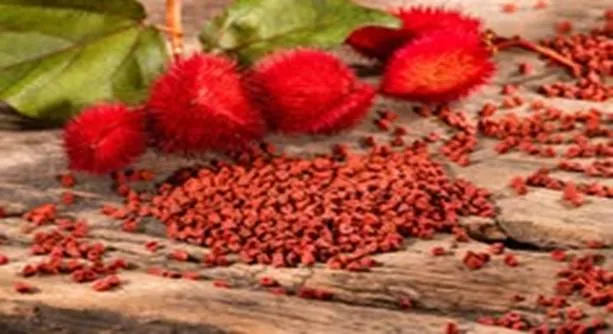
Many orange cheeses get their glow from added color. Makers often reach for annatto color. Butter and ice cream lean on carotene instead. Both are carotenoids, but the way they dissolve is very different, and that choice shapes the finished dairy food. Same family, different habits.
Some forms mix into fat. Others spread through water. This piece compares the two, step by step, with dairy in mind. It looks at how each acts in cheese, butter, ice cream and drinks, and how to choose without wasting a batch. Plain words only.
Two Families, Two Behaviors
Carotenoids are plant pigments in the yellow to red range. Pure ones love oil and hate water. That is a problem, since milk is mostly water. Easy to say, hard to fix. Makers solve it in two ways: keep the color in oil, or break it into tiny pieces that float in water.
Take beta carotene food coloring as an example. The same pigment can arrive as an oil mix or as a water ready emulsion. The color is alike. The behavior is not. Know which form you hold before you pour anything into a vat.
How Fat Soluble Forms Work
Fat soluble color dissolves in the fat part of a food. It sits in oil droplets or butter fat and gives a rich, warm tone. It suits foods that already have plenty of fat, like butter, ghee and cream. Fat carries the color.
Mixing is the hard part. Oil and water do not blend alone. If you add an oil color straight to milk, you may see specks or a slick on top. Warm the fat, mix well, and add the color there first. Patience pays.
Where Water Dispersible Wins
Water dispersible forms are made for wet foods. The pigment is wrapped in a carrier, so it spreads evenly through milk, yogurt and drinks. Color looks smooth and clear of specks. Dosing is easier too, since it pours and stirs like any liquid. Less mess.
Annatto has a split too. One kind suits oil, another kind is made to mix with water. The water kind is popular in cheese milk. Check which one your supplier sends, because a mix up changes the shade and the spread. Small label, big gap.
Cheese, Butter and Ice Cream
Cheese is picky. Water based annatto binds well to the curd, but some color can drain away with the whey. Ask for retention data, and run a small vat first. Judge the shade after the curd is pressed, not before. Whey tells the truth.
Butter and ghee like oil based color. It stays in the fat and gives a clean, even tone. Ice cream sits in between. It has fat and water, so teams test both forms. Frozen foods can look paler, so aim a touch deeper than the goal. Cold fools the eye.
Stability, Light and Heat Limits
Carotenoids dislike light and air. Over time they fade, especially in clear tubs. Pasteurizing heat is usually fine. Long hot holds wear the color down. Choose dark cartons when you can. Light is the usual culprit.
Acid matters for water forms. Yogurt and soured milk can stress the carrier and let color clump or ring at the top. Test in the real pH. A form that works in sweet milk may fail in a tangy drink. Do not assume.
Choosing the Right Format
Start with the fat level. High fat, pick fat soluble. High water, pick water dispersible. Mixed, test both. Then think about your line. Can you blend color into fat first, or only into the full mix? That one answer narrows a lot.
Run a side by side trial. Think small first. Same milk, same dose, two forms. Check shade, spots, rings and fading after two weeks. Pick the one that looks the same on day fourteen as on day one. Numbers over opinions. Share results with your supplier. Skip no step.
Conclusion
Fat soluble and water dispersible carotenoids are two tools for one job. Fat forms suit butter and rich cream. Water forms suit milk, yogurt and many cheeses. Match the form to the food, and test before you commit. Annatto color and carotene both come in each kind. Simple, but worth saying.
Dairy teams who want to compare options can browse foodrgb.com and request samples in both forms. A plain beta carotene food coloring sample next to an annatto sample tells you a lot in one afternoon. Taste, look, then decide. Keep notes.