
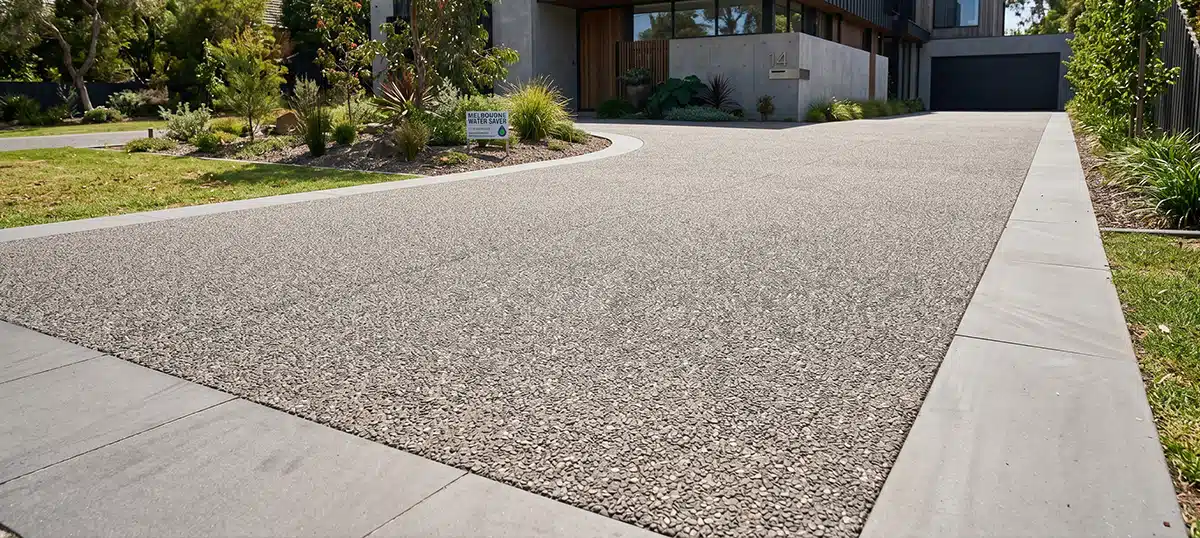
Driveways are constantly exposed to vehicle movement, changing weather, dirt, and everyday outdoor conditions. Over time, the surface can begin to look worn even when it remains an important functional part of the property. Driveway resurfacing may be considered when owners want to improve an existing concrete area rather than simply accepting its tired appearance.
Before deciding how to update a driveway, it is important to look closely at the existing slab. Cracks, surface wear, staining, drainage, previous treatments, and the way vehicles use the area can all affect how a project should be approached.
Start With a Detailed Inspection
A driveway should be assessed as a complete area rather than by focusing only on its most visible marks. Some sections may experience greater wear because vehicles repeatedly travel or turn over the same locations.
Look for cracks, damaged edges, discolouration, uneven sections, and signs of previous work. An inspection provides a clearer picture of the current condition and can help determine whether particular areas need attention before any new finish is considered.
Think About Daily Vehicle Movement
How vehicles enter, park, and leave the property can influence which parts of a driveway receive the most regular use. Larger vehicles or frequently used parking positions may create different traffic patterns across the surface.
Understanding this routine helps property owners discuss the project in practical terms. The driveway is not simply an outdoor decorative feature; it must continue to support the way residents and visitors use the property every day.
Preparation Should Match the Surface
Older concrete may contain stains, contaminants, previous finishes, or weathered sections that require attention. The appropriate preparation process depends on what is found during the initial assessment.
In some projects, concrete grinding can form part of the preparation process used to work on the existing surface. Whether it is appropriate depends on the slab and proposed finish, so the method should be selected according to project conditions rather than assumed to be necessary in every situation.
Consider the Surrounding Property
A driveway occupies a significant visual area at the front or side of many homes. Its appearance can therefore influence how the exterior of the property feels as a whole.
Consider nearby walls, landscaping, paths, garage doors, and other concrete areas when discussing colours or finishes. A surface that works with these existing features can create a more coordinated appearance without needing every outdoor element to look identical.
Do Not Forget Drainage
Water movement deserves attention during any outdoor surface project. Existing slopes and drainage paths affect where rainwater travels and whether it tends to collect in particular areas.
Property owners should mention any locations where water regularly pools after rain. While the appropriate response depends on the specific site, identifying these observations early provides useful information when the condition of the driveway is being assessed.
Plan for Temporary Access Changes
Work on a driveway can affect one of the main access points to a property. Vehicles may need to be parked elsewhere, and residents may have to use an alternative pedestrian route during parts of the project.
Ask about the expected work sequence and when normal access can resume. Planning parking and access arrangements beforehand is much easier than trying to solve them after equipment and materials have arrived.
Understand Ongoing Care
Outdoor surfaces naturally collect dust, leaves, soil, and other debris. Regular cleaning can help keep the driveway presentable and make it easier to notice any changes in the surface over time.
The appropriate maintenance routine depends on the completed finish. Property owners should ask what cleaning practices are recommended and whether there are products or methods they should avoid.
Conclusion
Updating an ageing driveway requires a combination of practical assessment and visual planning. Existing surface conditions, vehicle movement, drainage, surrounding exterior features, and temporary access should all be considered before work begins.
A well-planned project looks beyond the immediate appearance of the surface. By understanding how the area functions and what care it may require afterwards, property owners can make more informed decisions about improving an important and highly visible part of their property.