
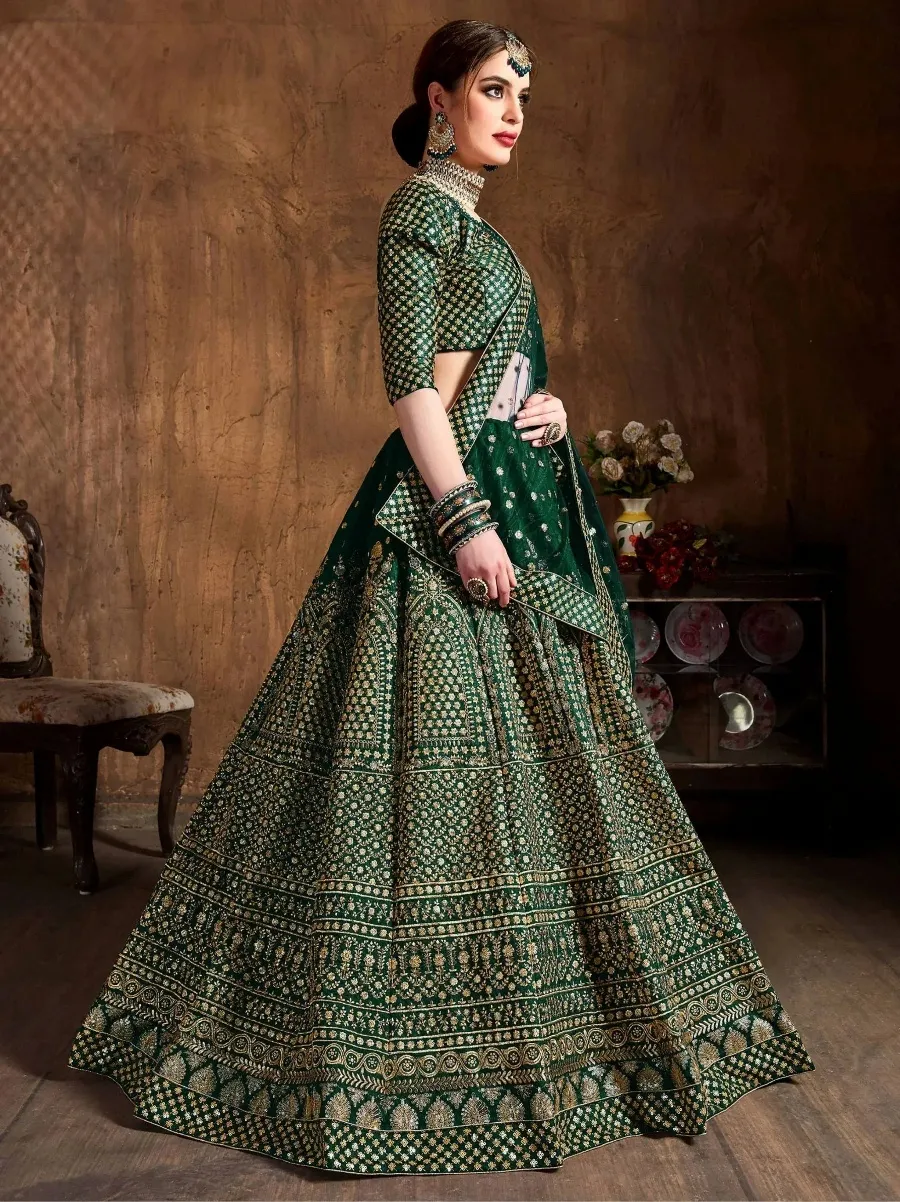
Indian weddings often stretch across several days, and each function demands a different mood, colour and level of glamour. Planning helps you avoid repeating outfits while keeping everything coordinated and comfortable. A thoughtful Lehenga choli for wedding wardrobe considers the schedule, weather, accessories, travel and personal style so every event feels distinct. This guide breaks down a simple method to plan five different looks, balancing tradition, colour variety and practicality so you appear fresh, confident and beautifully dressed from the first ceremony to the final celebration.
Start with the Event Schedule
Write down every function, including timing, venue and dress expectations. Daytime events usually suit lighter fabrics and softer shades, while evening ceremonies allow bolder colours and richer embellishment. Note which events involve dancing, sitting or travelling, since comfort should influence your choices. Having a clear schedule prevents duplication and highlights gaps in your wardrobe. It also helps you divide your budget sensibly, giving the most important events appropriate attention. Share the plan with family members so everyone coordinates outfits smoothly. Check weather forecasts because rain or heat can change fabric decisions.
Build a Colour Plan Across the Week
Colour planning creates variety without chaos. Assign a distinct shade family to each event, such as yellow for haldi, green for mehendi, rich jewel tones for sangeet, and soft pastels for the engagement. Avoid wearing similar tones on consecutive days unless textures differ. Keep a neutral base shade for flexible accessory pairing. This system ensures every photograph looks fresh and helps you coordinate with family members who may wear complementary shades. Photographing each outfit against the previous one helps you check variety before ordering. Keep swatches in a small folder for comparison.
Using Soft Neutrals for Versatile Moments
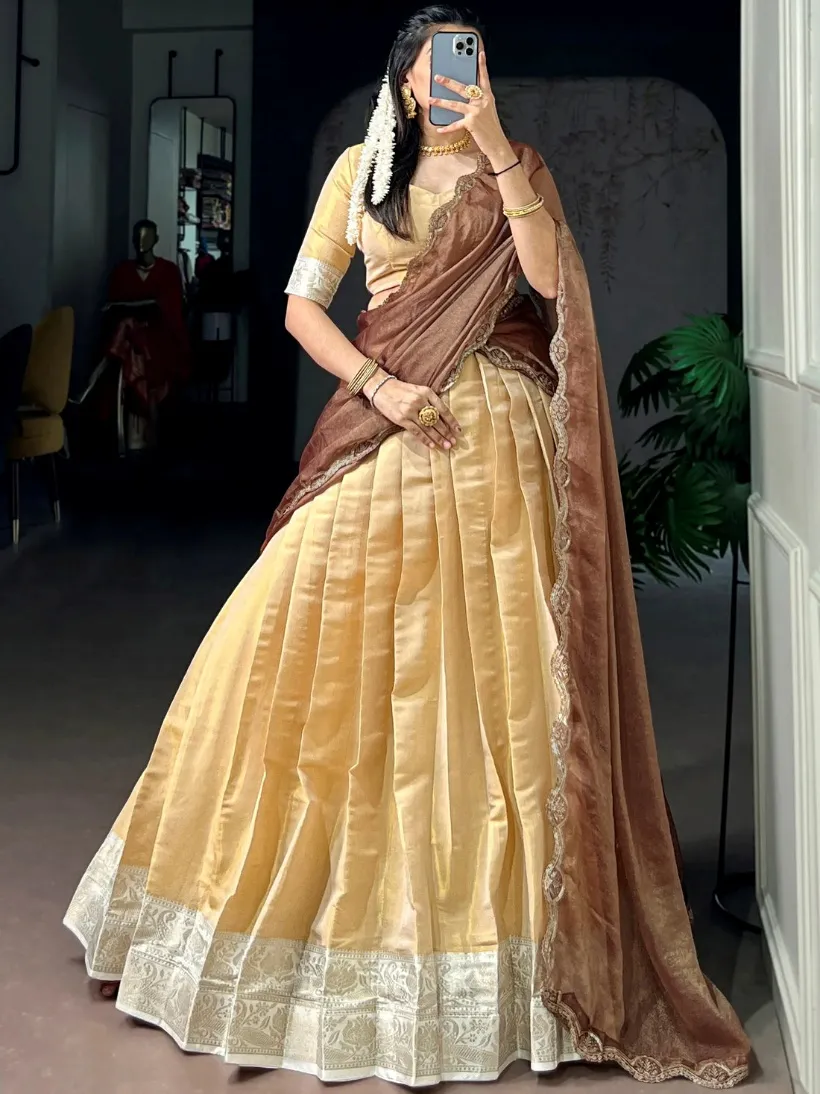
A Cream Lehenga Choli is an excellent option for a daytime ceremony, puja or intimate family lunch. Neutral tones look graceful, photograph well and pair easily with colourful dupattas and jewellery. You can restyle the same base outfit with different blouses or accessories to create new looks for smaller events. Light embroidery keeps the design versatile. This flexible choice supports a thoughtful budget while still offering elegance and variety. Add a bright dupatta, contrasting blouse or bold jewellery, and the same base becomes a completely different look. This keeps spending sensible.
Mix Silhouettes and Fabrics
Variety in cut and fabric prevents outfits from feeling repetitive even when colours overlap. Combine flared skirts, mermaid shapes, jacket styles and layered designs across the week. Use organza and georgette for daytime, and velvet or heavy silk for winter evenings. Different necklines and sleeve styles also create fresh impressions. Selecting contrasting textures ensures every look photographs differently and keeps your styling interesting for guests and family members. Mixing sleeve lengths, necklines and dupatta styles also helps. Even two similar colours can feel distinct when the cut and embroidery change between events.
Plan Accessories and Beauty Early
Accessories transform an outfit, so plan them alongside the clothing. Create a jewellery chart listing each event, necklace, earrings and bangles. Reusing pieces in different combinations saves money while maintaining variety. Schedule hair and makeup trials for key events, and prepare comfortable footwear for long days. A little organisation prevents last-minute panic and ensures every element complements your chosen look. Create a simple table listing the necklace, earrings, bangles, footwear and bag for each event. Share it with a sibling so nothing is forgotten. Small reminders reduce morning stress.
Pack, Steam and Prepare Smartly
Pack each outfit with its matching accessories in labelled covers to avoid confusion. Carry a portable steamer, safety pins, a sewing kit and spare footwear. Keep a schedule card showing which outfit belongs to which event. Try every look at least once before the wedding week begins. Good preparation protects your garments, reduces stress and gives you time to enjoy the celebrations rather than worrying about logistics. Keep a spare dupatta pin and a small mirror in your bag. Hang each outfit on a padded hanger as soon as it arrives.
Conclusion
Planning five outfits requires organisation, but the process becomes enjoyable when broken into clear steps. Start with the schedule, assign colours thoughtfully and vary silhouettes and fabrics. Use versatile neutral pieces and coordinate accessories early. Packing carefully and trying every outfit beforehand keeps stress low. With a well-structured plan, you will appear fresh at each function, honour the mood of every ceremony and enjoy a wedding week filled with confidence, comfort and memorable photographs. You will feel prepared, relaxed and ready to celebrate in style every day.