
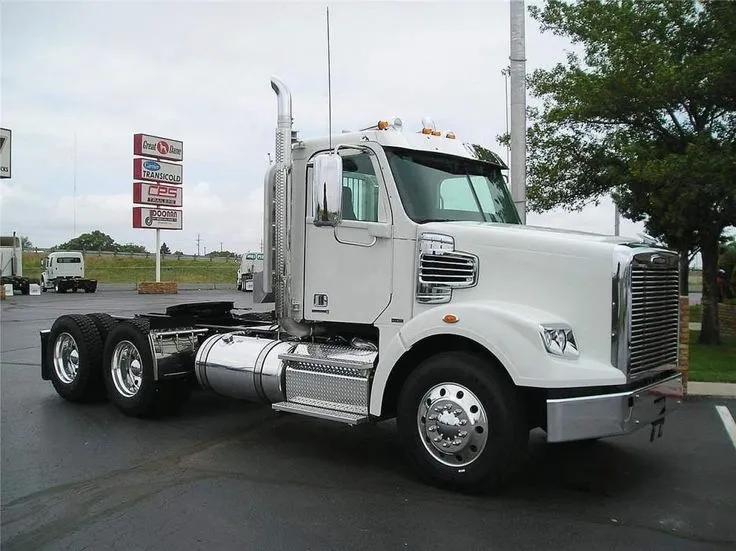
At times, freight moves with just a truck head. The carrier does not need to bring a box. People call this power-only transport. It works well when a shipper owns their own rigs. It is also good for moving gear from one spot to a new place. Georgia businesses should be able to use this knowledge to determine the best time for them to use it in their transportation methods and which aspects they should verify before sending a shipment.
Understanding Power Only Transportation
Power-only transportation: This service includes a truck tractor with a trailer rented from another company. The carrier and the driver own the power unit, while the trailer can be acquired by the shipper, logistics company, rental business or any other transport company.
It can be beneficial for businesses that have their own trailer fleet. It could also be used in cases where the trailers should be moved from one facility to another.
Businesses should make sure the trailer will fit the tractor, and all equipment is available for the trailer to be moved before planning the transportation.
How Power Only Loads Work
Power only loads Georgia can involve different types of trailers and freight situations. The specific arrangement depends on who owns the trailer, where it needs to be collected, and where it must be delivered.
The typical movement begins with a carrier getting the data concerning the position and destination of the trailer. The driver comes with a suitable tractor, links up the trailer, checks and makes the necessary checks and loads the equipment to the required area.
Instructions are crucial, as the driver might require information on the trailer, pickup location, time of appointment and delivery instructions.
When Businesses May Use Power Only
If a company owns trailers but requires more tractor power, this service can be helpful. For instance, a company may own equipment at one facility but have a need to transfer this equipment to a different facility, and require a carrier to do so.
It can also be provided in the case of repositioning the trailers before loading or after the shipments have been unloaded. This may be useful for companies that have more than one facility or frequent freight movements.
The setup might include more flexibility if the ownership and transport of the trailer are done separately.
Understanding Trailer Requirements
Before making arrangements for transportation, the compatibility of the trailer(s) must be established. The business should give the correct information regarding the type of trailer, its condition, connection requirements, etc. and any other information that is relevant.
It should also be clearly marked where the pickup is going to be. Equipment checks, paperwork or usage of trailers before leaving might have specific procedures at some facilities.
If at all possible, it is best to give a full account at an early stage to avoid unnecessary confusion with the arrival of the driver.
Planning Power Only Transportation
The key to good planning is to be sure what to move. The companies must verify the position, destination, pick-up time, delivery needs and details of the relevant facilities of the trailer.
Having knowledge of the load or unloading of the trailer is also helpful. When transporting loaded trailers, more information about the load, weight and delivery timetable is required.
If the movement is repetitive, companies can develop standard procedures. This can simplify the process of communication and enable transportation providers to have information for future loads.
Evaluating Transportation Providers
Factors to take into account when you’re looking into a provider’s experience, coverage of service, the compatibility of the equipment, how they communicate, and the ability to work with your scheduling needs.
When comparing power only trucking Georgia options, companies should explain their normal transportation patterns rather than asking only about individual loads. This allows providers to better understand whether they can support recurring requirements.
Communication is especially critical for power-only moves as there is a need for communication between the trailer owner, carrier, pickup facility, and receiving location.
Consider Geographic Requirements
Georgia businesses can transport trailers from one warehouse to another, from a Georgia distribution center to a manufacturing plant and anywhere else in the business world. Depending on the transportation route and the facility, the transportation requirements may change.
Companies should therefore consider if the provider regularly operates in the areas where the trailers are located. Knowing what services are available can help in planning movements, regular and otherwise.
Flexibility can also be helpful in case of shifting transport requirements or when new goals or new additional facilities are added.
Keep Documentation Organized
Power-only transportation can consist of multiple pieces of information, such as trailer identification, pickup directions, delivery specifics and shipment paperwork.
Having these records well organized can make businesses communicate effectively with the carrier and facility. Correct information also helps to monitor repetitive motions and any changes that require attention.
When load counts grow, a steady paperwork plan keeps things running fast. Clear forms make teamwork easy every single day.
Conclusion
When businesses have equipment available and require tractor capacity, power-only transportation can provide them with a practical solution to trailer transportation in Georgia. Knowing the requirements of the trailer, pickup processes, schedule, geographic and communication needs can aid in the planning of these trailer movements. For businesses contemplating power-only transportation, they can explore the website of ykfreight.com to learn more about the freight service and then decide if power-only transportation suits their business needs.