
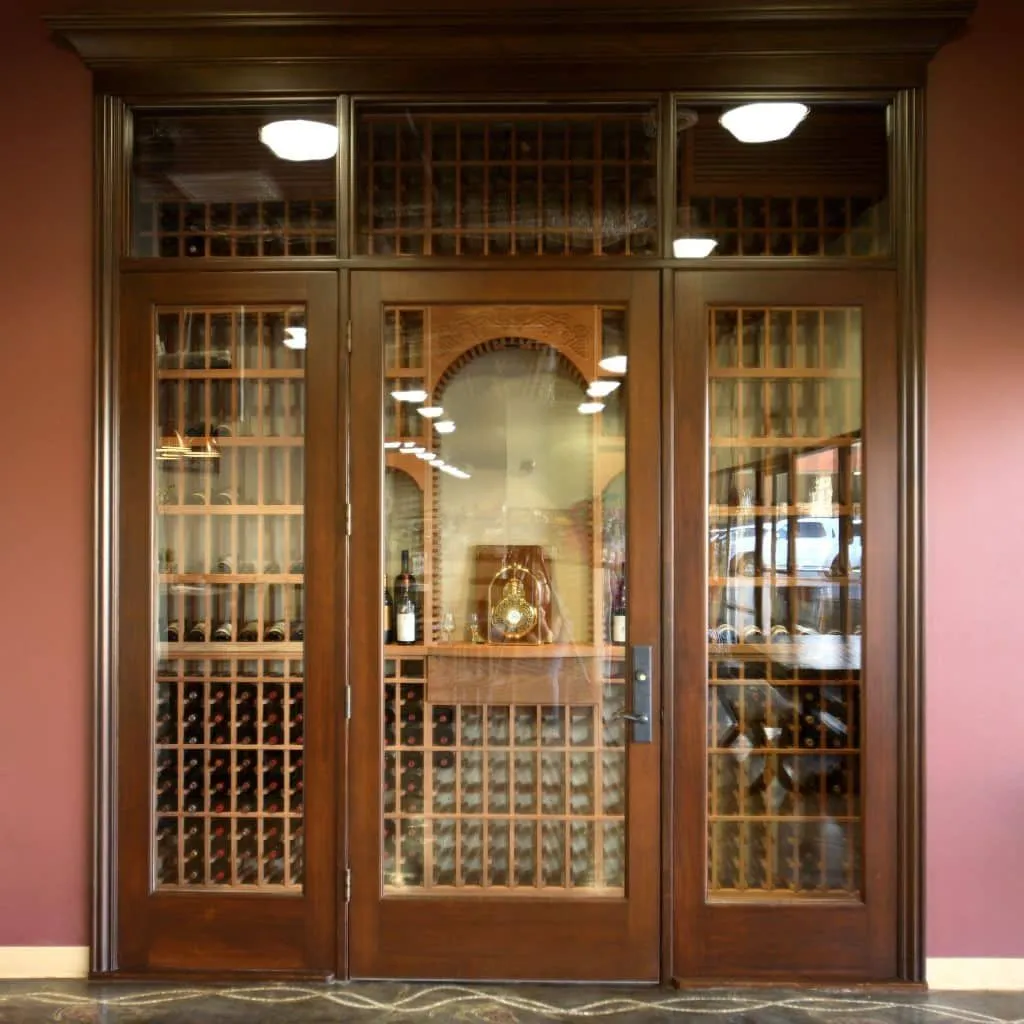
Some cellars hide in basements, while others sit right beside the dining table. A glass wine cellar belongs to the second group, and it changes how a house feels because the bottles stop being storage and start acting like art. It also asks more of the builder, since every surface is visible, every seam matters, and nothing can be tucked away behind a wall.
Why Glass Works So Well in Open Plans
Open floor plans leave few places to hide a bulky storage closet. Glass solves that by keeping sightlines clear, so a living room still feels wide and bright even with a few hundred bottles standing in it. The light passes straight through, and the room never feels chopped into smaller, darker pieces.
There’s a social side too. Guests drift toward lit walls of wine, and the host can point things out without leaving the room. A feature that starts conversations tends to earn every square foot it takes up, and many owners say it becomes the first thing visitors ask about when they arrive. Even a small wall of racking can make a neutral room feel finished.
Thinking Through the Room Itself
Strong wine room design begins with a decision about what visitors will actually see. If the main view is from the dining area, the best bottles and the most beautiful racking should face that direction, with plainer storage placed out of sight on the walls that nobody looks at.
Place the entry on a side wall so the door doesn’t interrupt the display. Leave a little standing room inside, around a meter deep, so someone can browse comfortably instead of squeezing sideways past the shelves with a glass in hand, hoping not to knock a bottle loose. Keep sightlines clean so the door never blocks a favorite label.
Keeping It Cold Behind Transparent Walls
Glass leaks heat faster than a solid wall, so the details count. Double or triple glazing with a low-emissivity coating slows that transfer, and gaskets around the door close the remaining gaps. Cheap single panes simply won’t hold the temperature, and they tend to fog the moment the weather turns humid.
Direct sunlight is the other enemy. Place the cellar away from bright windows, or add UV-filtering film if that’s impossible. Light that fades a sofa over a few summers can also harm a bottle over the years it spends resting, and sunlight adds heat that the cooling system must fight all afternoon. Window placement is worth checking before the first drawing is finalized.
Lighting the Display
Lighting is what makes glass feel intentional. Thin LED strips tucked into the rack edges throw a soft glow on labels, while a slightly brighter wash along the top fills the space. Warm white reads inviting, and cooler tones feel more like a gallery, so choose the mood that fits the rest of your house.
Test the setup after dark as well as during the day. Reflections on glass can look odd at night, so angle fixtures away from the panels and let the bottles take the shine. A few small adjustments often make a big visible difference, and they cost almost nothing compared to the cellar itself. Tunable systems also let you dim things down when you’re simply relaxing.
Cleaning and Upkeep
Glass shows fingerprints, which is the price of that clear look. A microfiber cloth and a mild cleaner handle it easily, and a quick wipe each week keeps everything crisp, even in a home with children, pets or a busy entertaining schedule that leaves little spare time for chores. Dust shows up quickly on dark racking too, so keep a cloth handy.
Check the door seals once a season too. A gasket that has flattened or cracked lets warm air in, and the cooling unit will quietly work harder to make up for it. Catching that early prevents bigger repair bills later, and it keeps the temperature steady where the wine actually sits.
A Good Place to Begin
Glass cellars reward planning, because sightlines, climate and lighting all depend on each other. Reaching out to customwinecellar.com early gives you someone to coordinate those pieces, so nothing gets decided in isolation and regretted afterward, when changes are slow and a good deal more expensive.
Once everything is in place, the room does more than protect wine. It becomes a feature people remember long after the dinner is over, and a reason guests wander over before the first course has even been served, glass in hand and curious about what’s resting on the shelves. Good timing and careful design keep the project on schedule.