
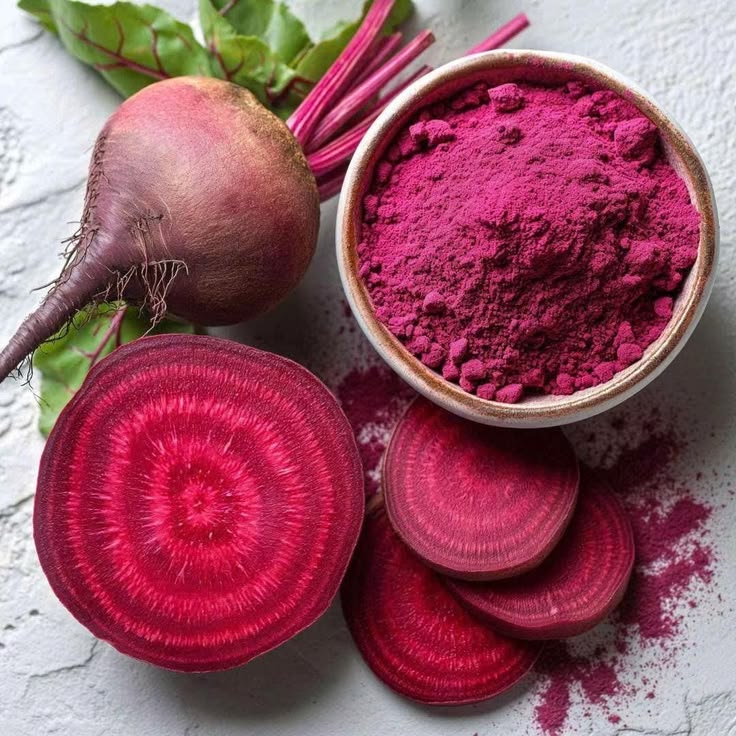
Natural ingredients have been adopted as a key component of modern food manufacturing and are especially significant as more brands are looking to develop clean-label products. Of so many plant colorings available, Colour Of Beetroot has made a strong name for producing beautiful red and pink colors. It is made from a natural source and has a rich color, making it ideal for many uses in food.
Another big favorite is Beetroot Red. It adds a great pop of color. Plus, it just works beautifully if you want to keep your ingredients totally natural. Honestly, both of these awesome beetroot options make a huge difference when you are building out new foods across different categories.
Understanding the Color of Beetroot
That deep beet color actually comes right from the real, natural pigments found inside fresh beetroot. The color produced ranges from soft pink to deep red and is dependent on the amount of pigment added and the formula of the food product.
Picking a beet root tint is a smart path for firms since it brings a clear, known plant root source that fits real clean label goals. People put them into foods where a real red tone lifts the whole look without needing fake chemical dyes.
Beetroot colors can be used in a variety of commercial food applications, from specialty drinks to dairy desserts.
Where Beetroot Red Is Commonly Used
Beetroot Red is an excellent source of red color for the food industry because of its bright and attractive red shades. Use in fruit beverages, confectionery, frozen desserts, yogurt, bakery fillings and sauces.
The ingredient is not just aesthetically pleasing but also highly versatile in various product segments. Beetroot Red can assist manufacturers in obtaining consistent color as well as naturally derived ingredient profiles depending on formulation.
Beetroot colors are still a cost-effective option for companies seeking to create food products with identifiable ingredients, especially as the market for natural food products grows.
Factors to Consider During Product Development
Choosing a natural color is more than picking out a specific color. The performance of beetroot-based colors during manufacture can be affected by heat, pH, moisture, storage and processing methods.
These characteristics are generally assessed during formulation to help control the product into the intended appearance throughout the production process and shelf life. Appropriate concentrations and processing methods can also help to achieve consistency among several batches.
Testing is also a key component in choosing the most suitable natural color solution for each food product, as each food product is unique.
Supporting Clean-Label Food Innovation
Simple and familiar ingredients are attracting consumer interest, and this appetite is helping manufacturers to pursue plant-based alternatives. The colors derived from beetroot fit this trend perfectly, as they are naturally extracted from a natural source and can be utilized for various food uses for a red color.
New ways to extract and process these ingredients really stepped up the quality. Now, these natural colors look great and stay uniform every single time. This enables manufacturers to produce products that look good and promote transparency in ingredient selection.
With the clean label trend still on the rise, beetroot colors are likely to be a key food coloring choice for manufacturers all over the world.
Conclusion
Color of Beetroot and Beetroot Red are attractive, natural coloring solutions which can be used in many applications where clean label food production is important. Businesses interested in learning more about natural color ingredients and formulation knowledge may check the solutions provided at foodrgb.com, which fit into modern food manufacturing. By selecting the right natural color, products can be developed that are not only aesthetically pleasing but also have high reliability and natural ingredients.